Signs of Dental Emergency in Children
This page helps parents quickly recognize signs of a dental emergency in children and act decisively
When a child experiences a dental injury, the first minutes and hours often determine recovery and long-term outcomes. This guide summarizes the most important signs of dental emergency in children and provides clear, evidence-based first-aid steps parents can use immediately. If you are unsure, contact Kyiv Dental Care at 380441234567 for prompt advice, same-day appointments, or local referrals.
We wrote this material to be concise, practical, and reassuring. You will find plain-language descriptions of injuries, step-by-step care for common scenarios, and guidance about when a situation requires urgent dental care or a trip to the emergency room. Keep this page handy so you can move confidently if an accident happens.
Why timely action matters
Children's teeth, gum tissue, and developing tooth germs respond quickly to trauma and infection. Acting promptly can preserve a permanent tooth after avulsion, limit the spread of infection, and reduce the need for more invasive procedures later. For example, a permanent tooth that is replanted within 30-60 minutes has a much better chance of long-term survival than one left dry for hours.
Beyond preserving teeth, rapid response lowers pain, prevents complications like facial cellulitis, and reduces anxiety for the child and family. Even if you are unsure whether a situation is serious, many dental offices, including Kyiv Dental Care, can advise parents over the phone to determine the next best step and triage cases appropriately.
Common signs of dental emergency in children
 Recognizing the signs of dental emergency in children helps you prioritize care. Emergencies are not always dramatic; persistent severe pain or swelling are as urgent as visible injuries. Below are the most frequent warning signs parents should never ignore, along with what they typically indicate.
Visible tooth damage or loss
A tooth that is cracked, broken, or completely knocked out (avulsed) demands immediate attention. Permanent teeth that have been knocked out may be salvageable if handled correctly and replanted quickly, while broken teeth can expose the nerve and become infected. Baby teeth that are loose or displaced may still need evaluation to avoid damage to developing adult teeth.
Uncontrolled bleeding
Heavy bleeding from the mouth that does not slow with gentle pressure is a red flag. While minor cuts to the lip or gums often stop within a few minutes, continuous bleeding can indicate deeper soft tissue injury, laceration into muscle or bone, or clotting issues that require medical care. Seek prompt evaluation when bleeding is persistent or associated with other serious symptoms.
Severe pain and sensitivity
Intermittent toothache that responds to home care is common, but severe pain that wakes a child, prevents eating, or is accompanied by fever could signal a significant infection or fractured tooth. Pain that increases rather than improves over 24 hours requires professional assessment to identify the cause and begin appropriate treatment.
Swelling, fever, or difficulty breathing/swallowing
Facial or jaw swelling, fever, trouble breathing, or difficulty swallowing are signs of a spreading infection and can be life-threatening. These symptoms need immediate medical intervention-call emergency services or go to the nearest emergency room. If you notice these signs, contact your dentist for after-hours guidance as well.
Loose or displaced teeth and soft tissue injuries
Teeth that feel loose after a hit, appear pushed inward or outward, or have cuts on the lips, tongue, or cheeks should be checked promptly. Soft tissue injuries can often be managed at home but may require stitches or evaluation for foreign bodies. Additionally, displaced permanent teeth should be repositioned by a professional as soon as possible.
How to assess severity at home
Start by staying calm and gently assessing the child without causing additional distress. Ask a few simple questions: Can the child breathe and swallow normally? Is there heavy bleeding? Is the child disoriented or unconscious? If the answer is yes to any of these, prioritize emergency medical care. Otherwise, you can proceed with first-aid steps while arranging a dental evaluation.
Use the following short checklist to quickly categorize urgency: 1) Life- or airway-threatening signs (breathing difficulty, uncontrolled bleeding, altered consciousness) require immediate 911 or ER care. 2) High-priority dental issues (knocked-out permanent tooth, severe swelling, uncontrolled pain) require same-day dental attention. 3) Non-urgent but concerning problems (small chips, minor bleeding, mild pain) should still be seen within a day or two.
Immediate first-aid steps for common scenarios
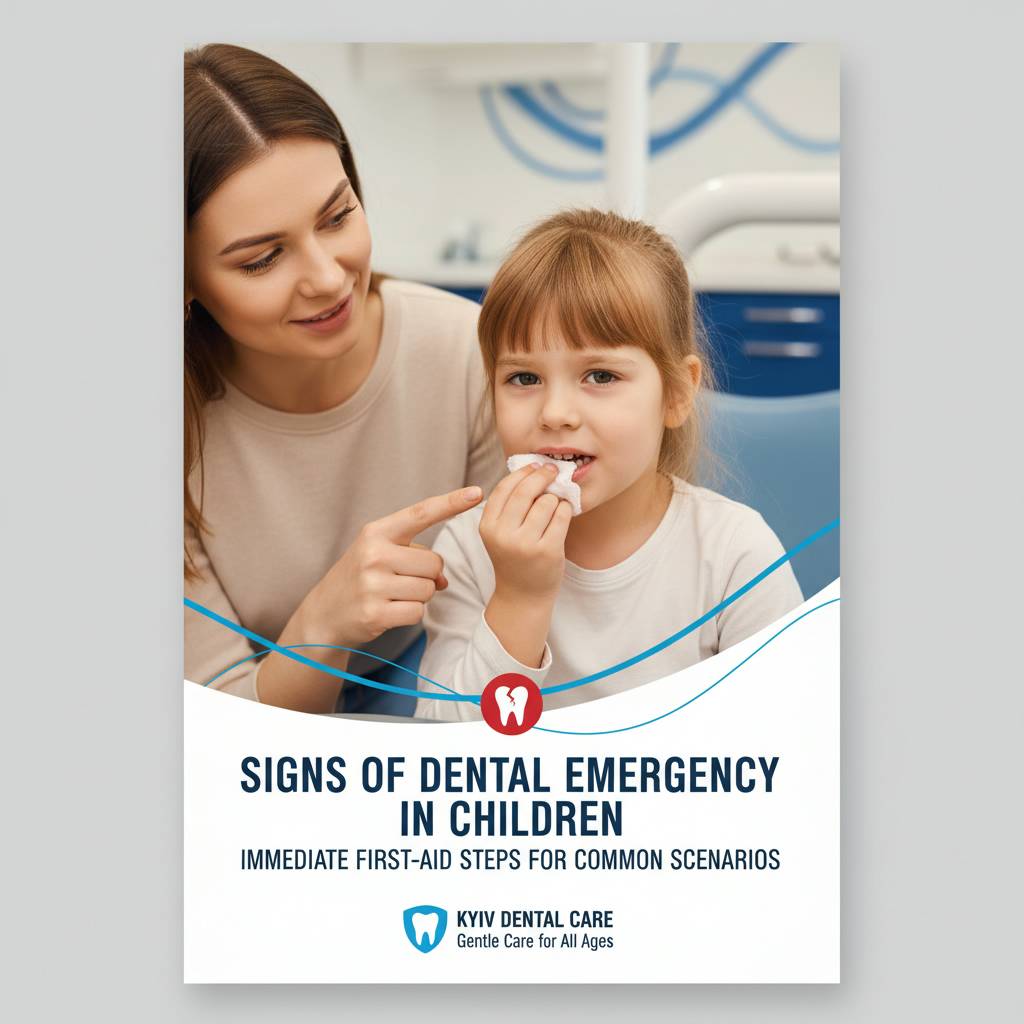 Below are specific, practical steps for the most frequent dental emergencies children experience. Each subsection focuses on what to do right away and what to avoid. These measures aim to stabilize the situation until professional care is available while reducing the risk of further harm.
Knocked-out (avulsed) permanent tooth
If a permanent tooth is completely knocked out, time is critical. Locate the tooth, hold it by the crown (the chewing surface), not the root, and if it's dirty, gently rinse it with milk or saline-do not scrub or use soap. If possible, reinsert the tooth into its socket and have the child bite on a clean gauze or cloth to hold it in place while you go to the dentist. If reinsertion isn't possible, store the tooth in milk or the child's saliva (inside the cheek) and get to a dentist within 30-60 minutes for the best chance of reattachment.
Broken, chipped, or fractured teeth
Rinse the child's mouth with warm water and apply a cold compress to reduce swelling. Save any tooth fragments in milk or saline and bring them to the dental office. If the fracture exposes the nerve and causes severe pain, use age-appropriate pain relief per package instructions and seek urgent dental care. Avoid giving aspirin directly to children under 18 unless prescribed by a healthcare provider.
Severe bleeding from mouth or lips
Apply firm pressure with a clean cloth or sterile gauze for 10-15 minutes without lifting to check. If bleeding slows but does not stop, continue pressure and seek urgent dental or medical care. For large lip lacerations that gape or bleed heavily, a visit to urgent care or the ER may be necessary for stitches. If bleeding is accompanied by signs of shock or confusion, call emergency services.
Swelling or signs of infection
Warm compresses can ease discomfort, but swelling with fever or spreading redness indicates infection that requires antibiotics and dental treatment. Do not attempt to lance or drain suspicious swellings at home. Contact a dental professional promptly-many infections respond well to early antibiotics and drainage when indicated, and delaying care increases the risk of systemic spread.
Objects stuck between teeth or lodged in the airway
If a child is choking on an object and cannot breathe or speak, follow standard choking first-aid (back blows and abdominal thrusts for older children, appropriate pediatric maneuvers for infants) and call emergency services immediately. For items stuck between teeth that are not a breathing risk, try flossing gently to remove the object. If you cannot remove it or the child is in pain, seek dental care rather than attempting forceful techniques that could damage gum tissue or teeth.
What to tell the dentist or ER-how to prepare
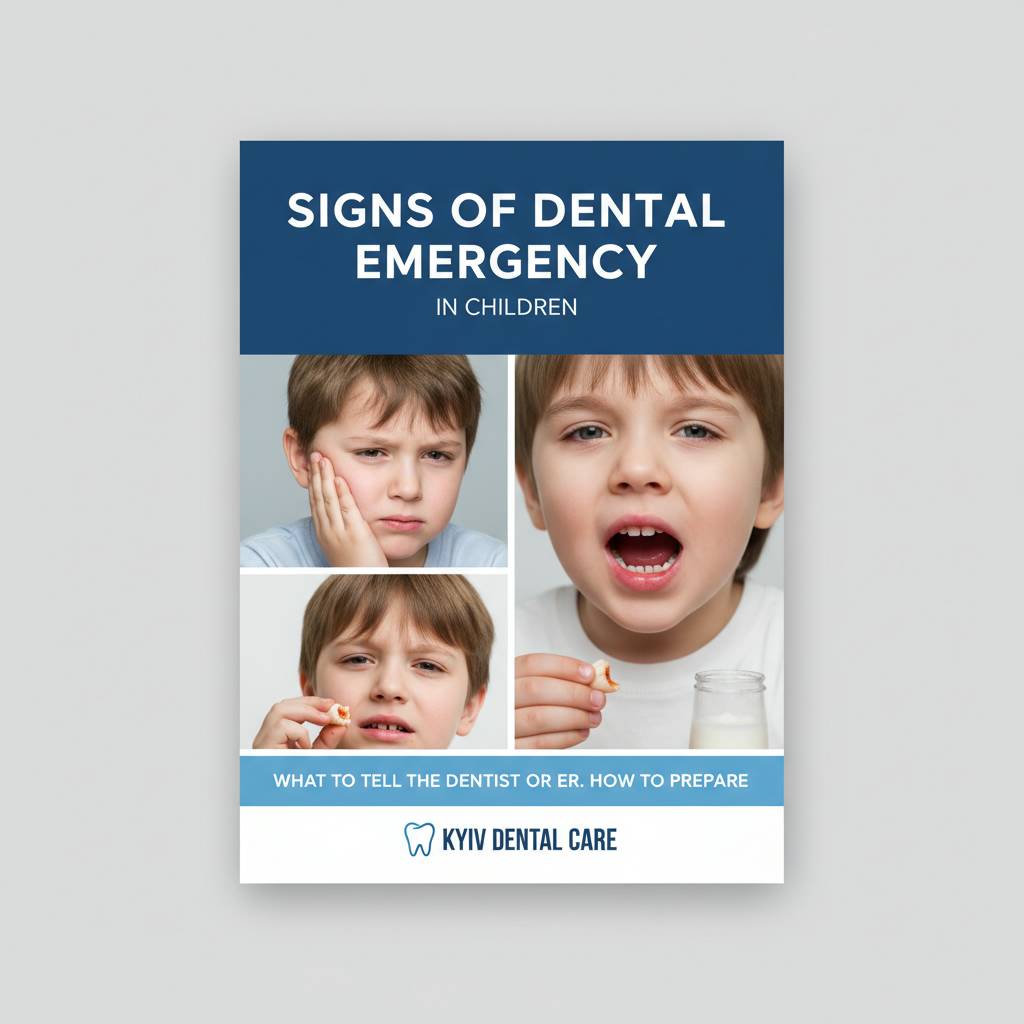 When calling a dental office or emergency department, provide concise information: the child's age, what happened, the time of injury, whether the tooth is baby or permanent (if known), and current symptoms such as bleeding, swelling, or breathing difficulty. If you have saved a tooth fragment or an avulsed tooth, note how it has been stored. Clear, specific details help clinicians triage appropriately and prepare necessary supplies for a same-day treatment.
Bring a recent list of the child's medications and any allergies, especially to antibiotics or local anesthetics. If possible, take a photo of the injury for the dentist to review during a phone triage call. Pack a small bag with a face cloth, bottled milk or saline for a displaced tooth, and any copies of dental records or X-rays if available to expedite accurate care.
Comparison: urgent vs. emergency situations
| Situation | When to seek dental care | When to seek emergency medical care |
|---|---|---|
| Knocked-out permanent tooth | Same-day dental visit; immediate reimplantation if possible | Not typically an ER case unless airway compromised or severe facial trauma |
| Severe facial swelling or drooling | Urgent dental appointment if localized and stable | ER if swelling affects breathing, swallowing, or is rapidly worsening |
| Persistent uncontrolled bleeding | Urgent dental care if bleeding originates from tooth socket or gums | ER if bleeding cannot be controlled with pressure or accompanies shock |
Preventing dental emergencies in children
 Prevention reduces both the incidence and severity of injuries. Encourage the use of properly fitted mouthguards for organized sports and recreational activities that pose a risk to the mouth, such as basketball, soccer, or skateboarding. For younger children, supervise play activities, secure playground equipment, and remove hazards that could lead to falls and facial trauma.
Dental health habits also protect against emergencies. Regular dental visits, early treatment of cavities, and protective sealants reduce fracture risk. Teach children safe eating habits-avoid hard candies, ice chewing, and using teeth as tools-to minimize fractures and chipped teeth. For high-risk activities, consider custom mouthguards from a dentist rather than one-size-fits-all models for better protection and comfort.
What to expect during an emergency dental visit
On arrival, clinicians will take a focused history and perform a brief exam to assess airway, bleeding, and structural damage. X-rays or other imaging may be used to evaluate root and bone involvement. Treatment can range from simple smoothing of sharp enamel edges to replantation of an avulsed tooth, splinting loose teeth, or extraction and stabilization if a tooth is unsalvageable. Pain control and infection prevention are immediate priorities.
Aftercare instructions often include pain management, soft-diet recommendations, antibiotic prescriptions if infection is present, and follow-up appointments to monitor healing. For replanted teeth, long-term follow-up with periodic X-rays is common to assess root healing and address possible root canal therapy later. Ask your clinician about signs that should prompt a return visit, such as increasing pain, fever, or loosening teeth.
Frequently asked questions
Q: How can I tell if a knocked-out tooth is a baby tooth or permanent? A: A permanent tooth is generally larger with a longer root and appears around age 6 for first molars and front teeth; baby teeth are smaller and usually begin falling out naturally around ages 5-7. When in doubt, treat a knocked-out front tooth in a child older than 6 as a permanent tooth and seek immediate dental care.
Q: Is it safe to give pain medicine to my child after dental trauma? A: Yes, use age-appropriate acetaminophen or ibuprofen per dosing instructions unless advised otherwise by your pediatrician. Avoid aspirin in children under 18 unless medically directed. Pain medication can help manage symptoms while you arrange professional care.
Q: What if a tooth fragment is missing after a fracture? A: Bring any fragments you can find in a sealed container with milk or saline. Even small fragments can sometimes be bonded back in place for cosmetic reasons. Regardless, have the tooth evaluated promptly to check for nerve involvement or infection risk.
Closing guidance and contact information
Knowing the signs of dental emergency in children and having a clear plan reduces panic and improves outcomes. Keep your dentist's emergency contact information available, store milk or saline in a first-aid kit for potential avulsed teeth, and practice a calm, stepwise response to injuries. If you have questions or need same-day care, Kyiv Dental Care is here to help-call 380441234567 for immediate assistance and local referrals.
For urgent advice or to arrange an appointment, contact Kyiv Dental Care at 380441234567. Our team can guide you through first-aid steps, triage the situation, and get your child the timely care they need.